
Neurotoxin Overview
Neurotoxin
What is a Neurotoxin Anyways?
Although the term “neurotoxin” is used to describe products like Botox, Dysport, Xeomin, and Jeuveau, we don’t always associate this term with friendly, age-defying anti-wrinkle injections. In fact, the phrase has a bit of a frightening connotation- think deadly biological warfare or sinister plots of espionage! (Maybe this is why many prefer to use the more friendly term “neuromodulator,” instead.)
The truth is that medications like Botox are actually made from one of the most poisonous substances known to mankind: botulinum toxin. 1 The smallest of doses can be fatal. Botulinum toxin is a natural protein produced by certain types of Clostridium bacteria. It blocks neurotransmitter release at the nerve-muscle junction, thereby paralyzing the muscle.
There are 4 neurotoxins approved by the FDA for anti-wrinkle injections: Botox, Dysport, Xeomin, and Jeuveau. They all are a neuromodulating drug that relaxes muscles and, most often, is used to reduce wrinkles in the skin. It’s derived from a bacterium, clostridium botulinum, that can be found in many different natural substances. When receiving neurotoxin injections in treatment, a small dose is given that lasts temporarily.
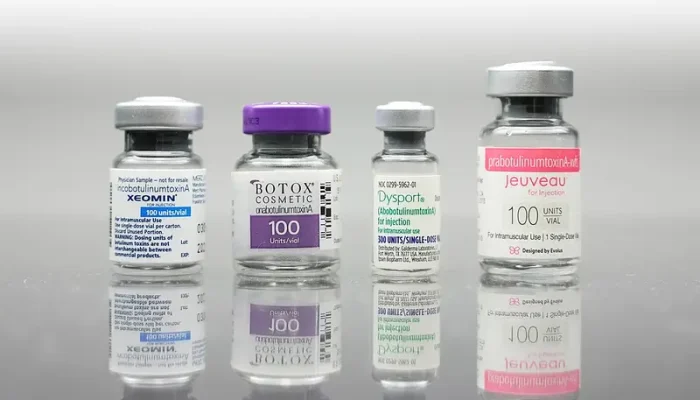
Botox
What Botox Can Help With
- High Lip Lines
- Wrinkles
- TMJ and Teeth Grinding
- Lip and Face Ageing Lines
- Facial Swelling and Excess Sweating
- Enhancing and Reshaping Your Smile
Before
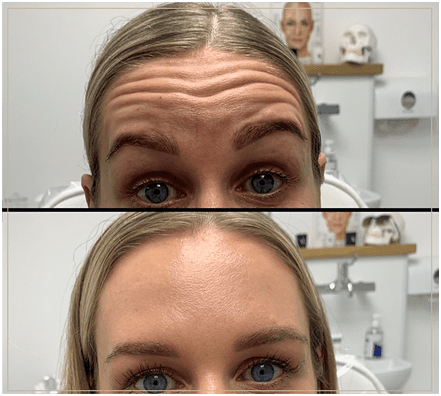
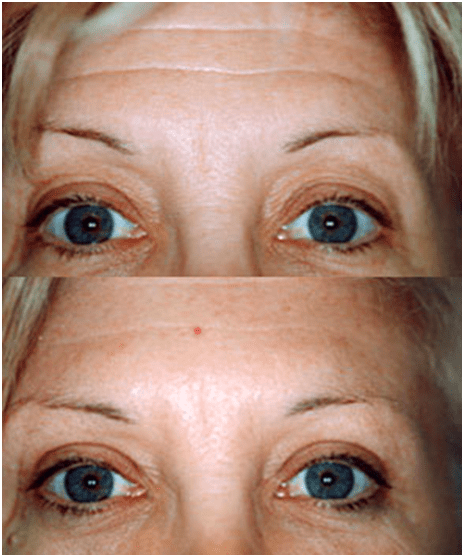
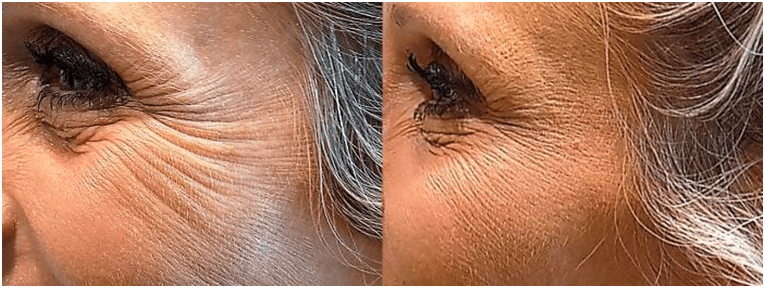
Before & After
Myths
Common Myths
- Botox injections lead to a frozen face — A lot of people believe Botox injections will make them lose the ability to make facial expressions or even emote at all. This is a personal choice by the patient. This is not always the case. Botox treatments relax the muscles at the injection point. As long as you’re receiving treatment from a skilled injector, you will surely be able to display the entire range of facial expressions!
- Botox is only effective for removing lines — As we will see shortly, Botox clearly has more use than simply addressing facial wrinkles or removing lines. In addition to the eye and dental benefits of Botox, there are plenty of additional medical uses, including treating TMJ conditions, back and neck pain, hyperhidrosis, and even treating migraines.
- Botox injections are painful — For many, just about any procedure seems like it would be painful. When the term “injection” is used — that especially sounds like it would hurt. But with Botox, that couldn’t be further from the truth. The majority of Botox patients have stated that the injections feel much more like a slight pinch if anything at all. In order to keep patients at ease during administration, a topical anesthetic like Comfortox BLT with Comfortox 31g syringes are used that are specifically designed for Botox injections. That’s it — no other anesthetic is needed for this procedure and the pain levels are extremely low.
- Wrinkles will worsen if you stop getting Botox — Another common myth is that once a person begins Botox treatment, their wrinkles will worsen once treatment stops. On the contrary, Botox will not worsen wrinkle formation. Instead, the wrinkles will actually begin to return to how they looked initially, prior to Botox treatment.
- Botox treatments are toxic — The FDA would not approve something that is toxic. With over 20 years of use for a multitude of conditions, Botox has a long and well-established history of safety. If you’re still worried, know that it would take a dose of more than 100 times the average cosmetic dosage for Botox to be toxic.
